
Menu


in stock
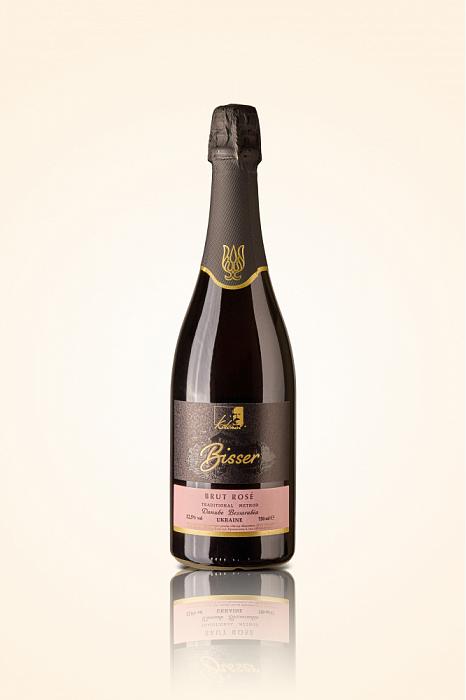
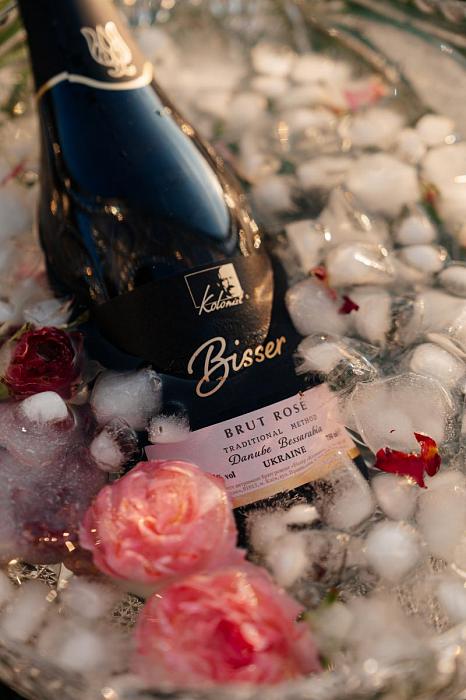
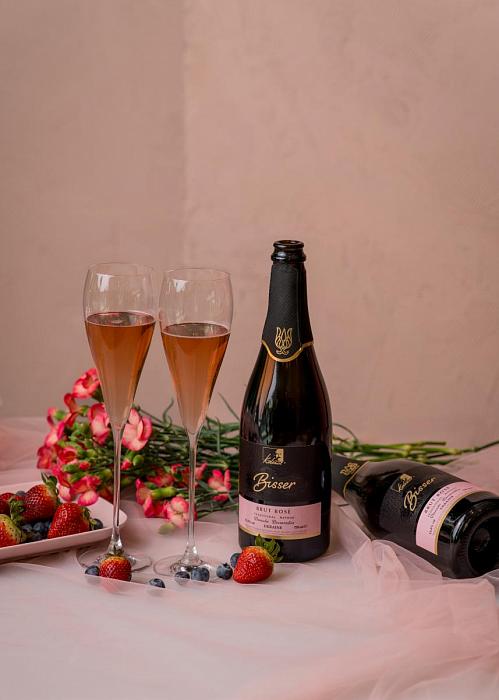
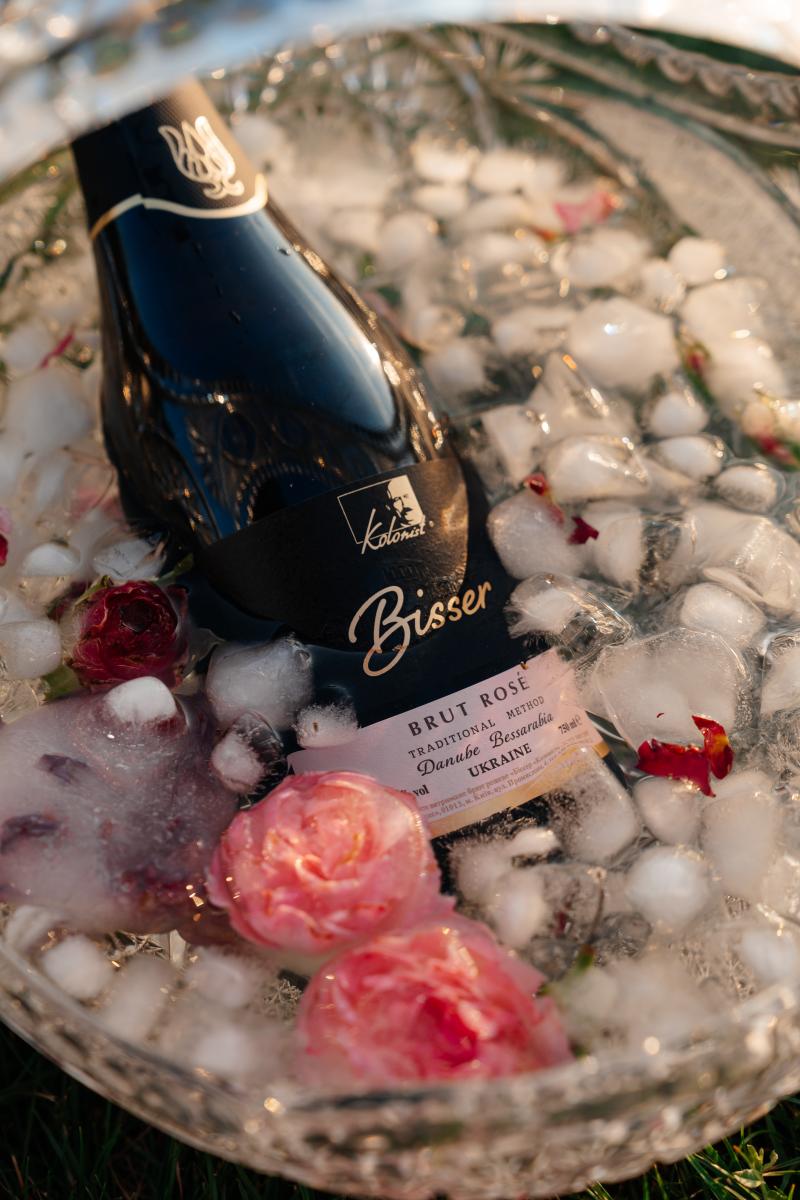
Bisser Rose (0,75 l) sparkling aged brut rosé
Produced and bottled at Kolonist family winery in Danube Bessarabia, Yapluh Lake valley, Black Sea region. Cabernet Sauvignon grapes harvested manually. Made bu traditional method with aging on yeast over 2 years.
Serving temperature: from +6 to +8 °С
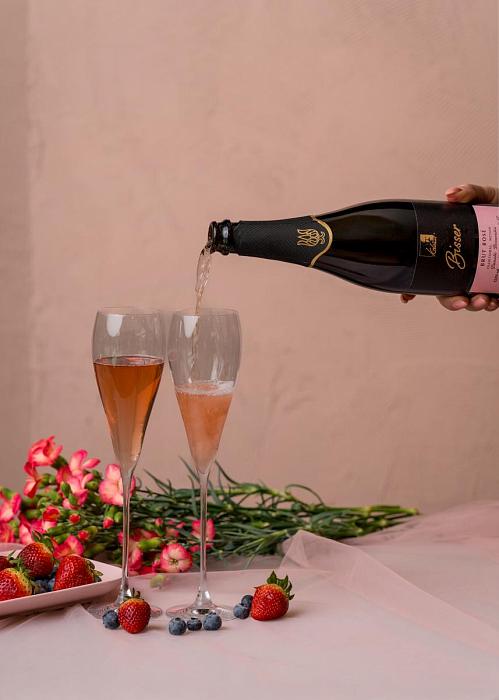
The best form of glass for this wine: “flute” (120-200 ml)
The nutritional value in grams per 100 grams: proteins – 0; fats – 0; carbohydrates – 1.5. NO GMO
Energy value: 79 kcal / 100g. Alcohol: 12.5% vol
Story of this wine
-
THE BEST WINEGLASS
The best form of glass for this wine - classical flute (150-220 ml)
-
ENOGASTRONOMIC COMBINATION
It is recommended to serve as an aperitif. Wine is perfectly combined with oysters and caviar.
-
AROMA AND TASTE
The aroma is fresh berries, strawberries, raspberries, light floral notes and a hint of brioche after aging. The taste is clean, balanced, with a delicate berry flavor, creamy texture and a long refreshing aftertaste.
Video
Description
The Story of Rosé Sparkling Wine: From Champagne Traditions to Ukraine’s “Bisser”
When we think of sparkling wine, white usually takes the spotlight. It’s the classic choice for celebrations—and it dominates store shelves. But why is rosé sparkling often more expensive?
White sparkling became the world’s bestseller thanks to history, technology, and versatility. In 17th-century Champagne, monks (including Dom Pérignon) refined the “explosive” wines of a cold climate. The Méthode Champenoise was built around Chardonnay and Pinot grapes, pressing gently to keep the juice clear and elegant—an easy match for almost any occasion. Over time, champagne became a symbol of luxury, while its neutral profile helped it appeal to a wide audience.
Later, the Charmat method (1907) made sparkling wine more affordable by carrying out the second fermentation in tanks, not bottles—paving the way for popular styles like Prosecco and Asti. Light, fresh, and accessible, white sparkling became the everyday favorite.
But if white is the universal hero, rosé is the refined aristocrat—more complex to produce and often made in smaller quantities.
From Grape to Glass: How Classic Sparkling Is Made
Many countries use the traditional method for their top sparkling wines (Crémant, Cava, Franciacorta, Cap Classique). In Champagne, the key steps are:
-
Hand harvest
-
Gentle pressing to avoid color from dark skins
-
First fermentation into still base wine (vins clairs)
-
Blending (often with reserve wines for consistency)
-
Second fermentation in bottle with liqueur de tirage (wine + yeast + sugar)
-
Aging on lees (min. ~15 months for non-vintage styles; longer for vintage)
-
Riddling (remuage) to move sediment to the neck
-
Disgorgement (neck frozen, sediment removed)
-
Dosage (final sweetness level set)
-
Corking and labeling
For rosé sparkling, color is achieved either through short skin contact (maceration) or blending a small amount of still red wine into the base (a method famously associated with Champagne).
The Rise of Rosé Sparkling Worldwide
Outside Champagne, rosé sparkling thrives in many styles:
-
Prosecco Rosé (Italy) — Charmat method, fresh strawberry-peach notes
-
Cava Rosada (Spain) — traditional method, deeper color and berry character
-
Crémant Rosé (France) — regional varieties and elegant freshness
-
Cap Classique Rosé (South Africa) — often vibrant and spice-tinged
-
Australian rosé sparklers — Chardonnay/Pinot blends with Champagne-like complexity
Together, these wines show how the classic method adapts to local grapes and tastes.
Rosé “Bisser”: A Bessarabian Gem
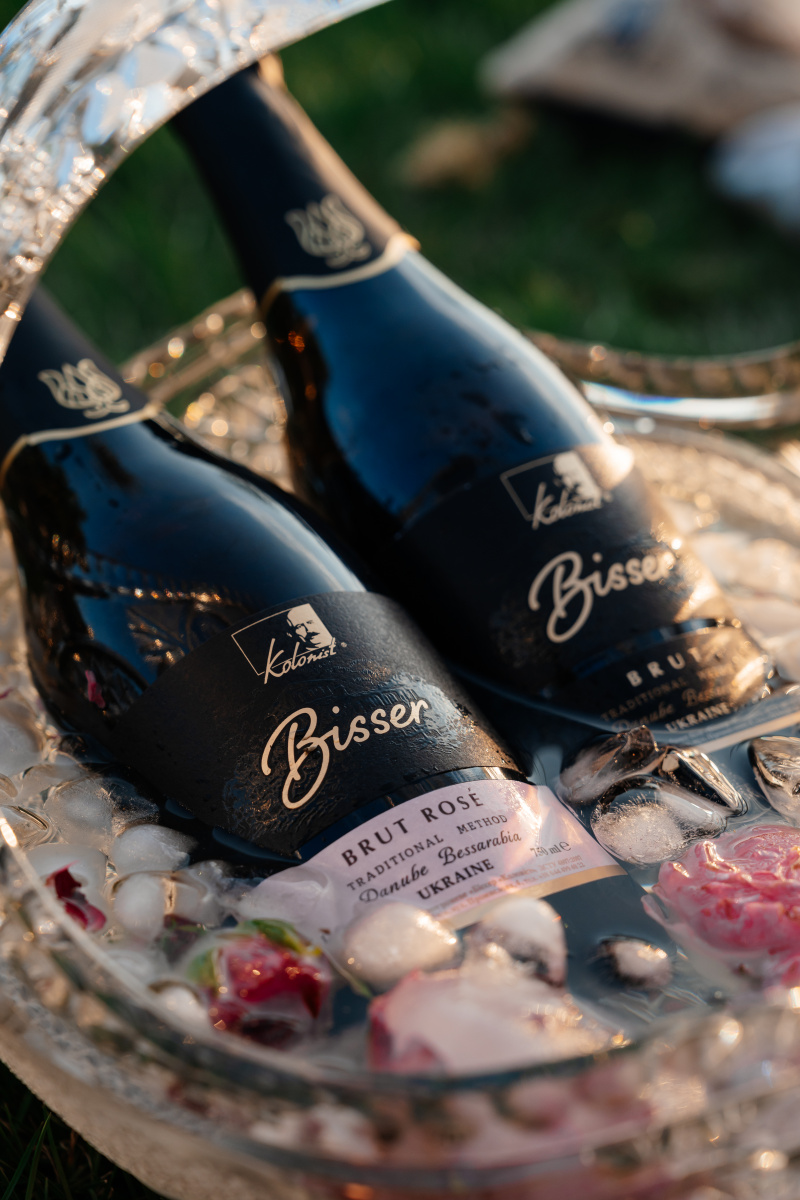
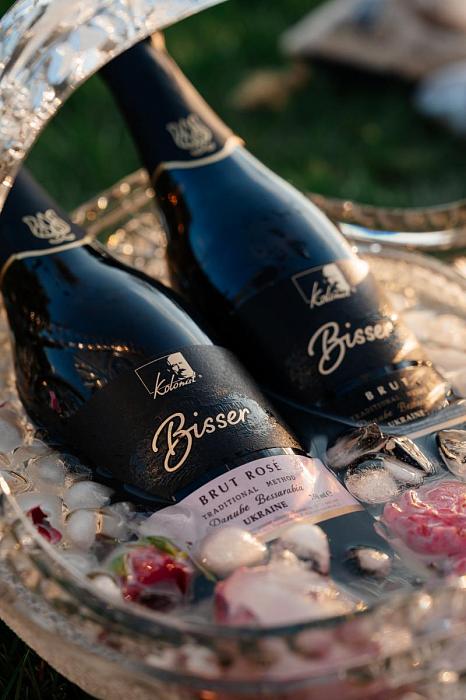
Ukraine is still building its sparkling tradition—but it’s already earning recognition. Kolonist Winery, founded in 2005 in Danube Bessarabia, has long produced classic sparkling wines. Its white Brut “Bisser” has been loved for years, and now—for the first time in the winery’s history—Kolonist has created a rosé sparkling “Bisser” from Cabernet Sauvignon, a grape that reflects the region’s terroir.
Made by the traditional method with secondary fermentation in bottle, rosé “Bisser” shows:
-
a delicate strawberry-rosé hue
-
aromas of fresh raspberry and citrus
-
subtle brioche and baked-bread notes, a hallmark of lees aging and classic champagne-style production.
The story behind the name is part of its charm: in 2013, founder Ivan Plachkov went to Kent, England to learn Méthode Traditionnelle hands-on—working through real cellar stages from filtration to disgorgement and corking. Inspired by both the magic of bubbles and Bessarabia, he coined the name “Bisser”—from Bessarabia and the “little beads” of bubbles in the glass—registered as Bisser / Біссер / Биссер to keep the sound consistent worldwide.
Serving & Pairing
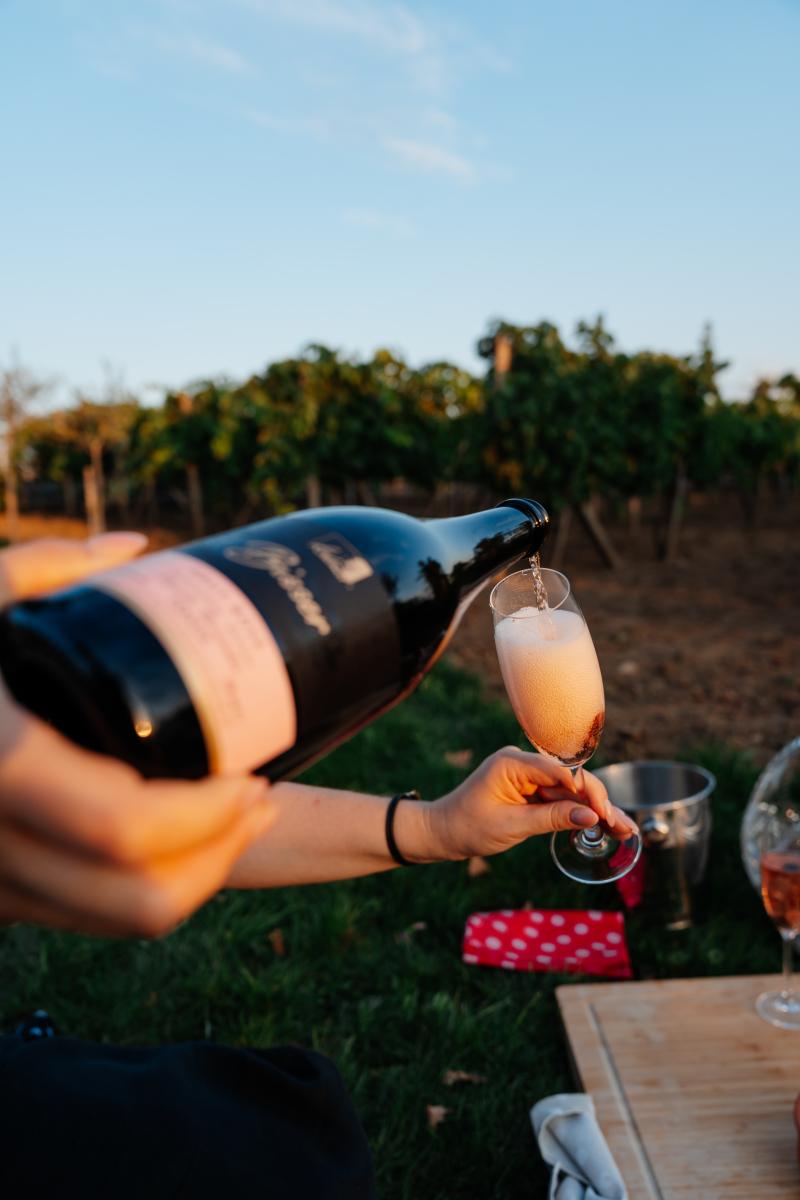
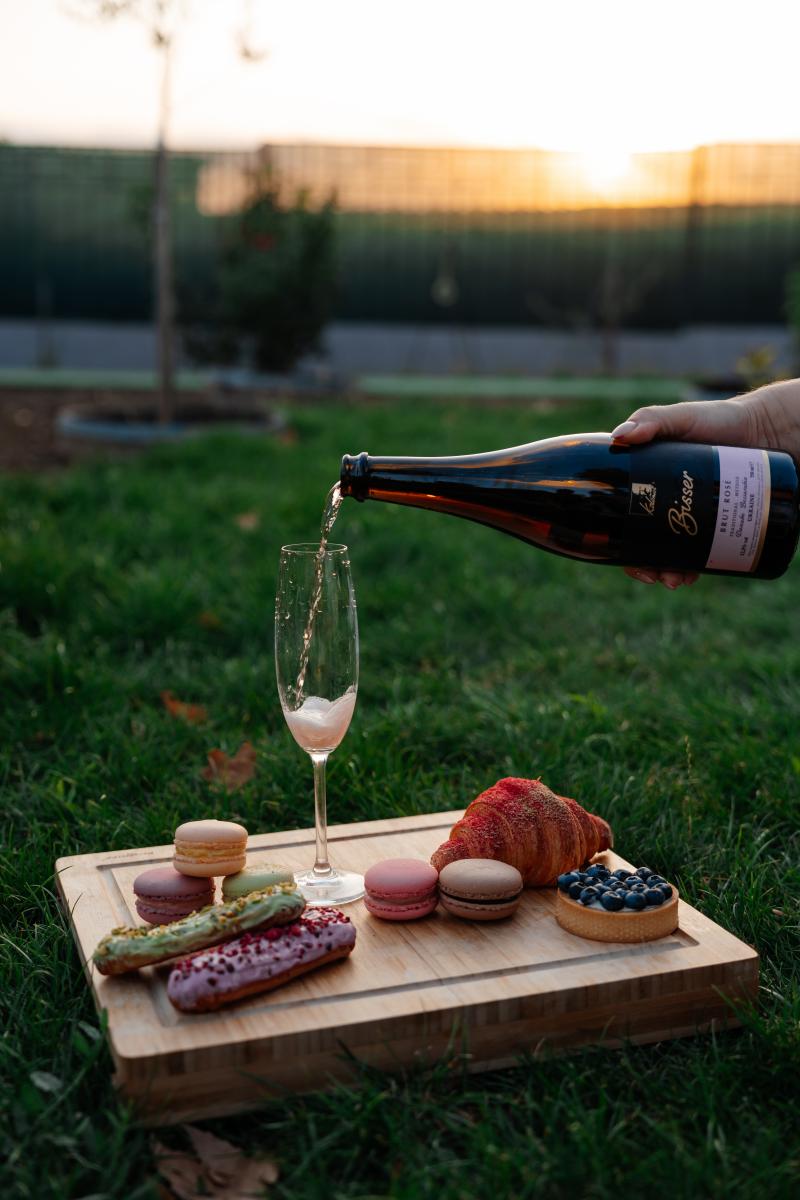
Serve well-chilled at 6–8°C, open quietly (no “pop”), and pour into a flute about ¾ full for the best, longest-lasting sparkle. Rosé “Bisser” works beautifully as an aperitif and pairs especially well with smoked fish, seafood, soft cheeses (Brie, Camembert), and berry-based desserts.
Rosé sparkling wines continue to grow in popularity for their blend of elegance, freshness, and depth—and Ukraine’s “Bisser” is a bright new chapter in that story.
Photo Gallery
Share
Other Products
Subscribe to the latest
news and events