
Menu
An Easter basket is not just a set of foods. It is a small story about faith, gratitude, and life after fasting. Nothing in it is random: each item has its meaning, symbolism, and place. That is why it is important to understand not only what to put in the basket, but also why these items belong there.
Before Easter, people often look for a simple list. But in reality, the basket is not about a checklist — it is about meaning. It is the first meal after a long period of restraint and, at the same time, a symbol of a new beginning.
What do we put into the Easter basket in Ukraine?
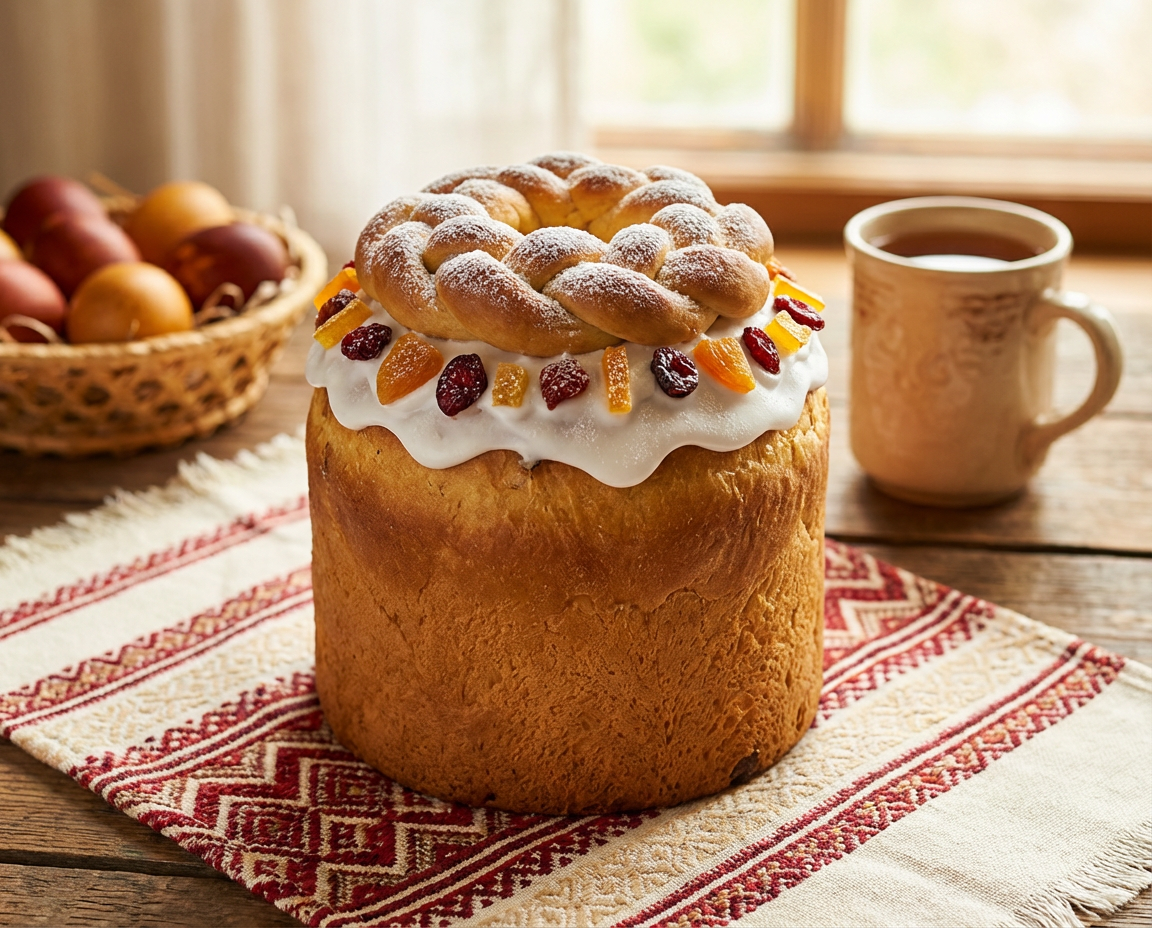
At the center of the basket is always paska (Easter bread). It is more than festive baking — it symbolizes life, renewal, and joy. It is baked with care and thoughts of family, and it sets the tone for the celebration.
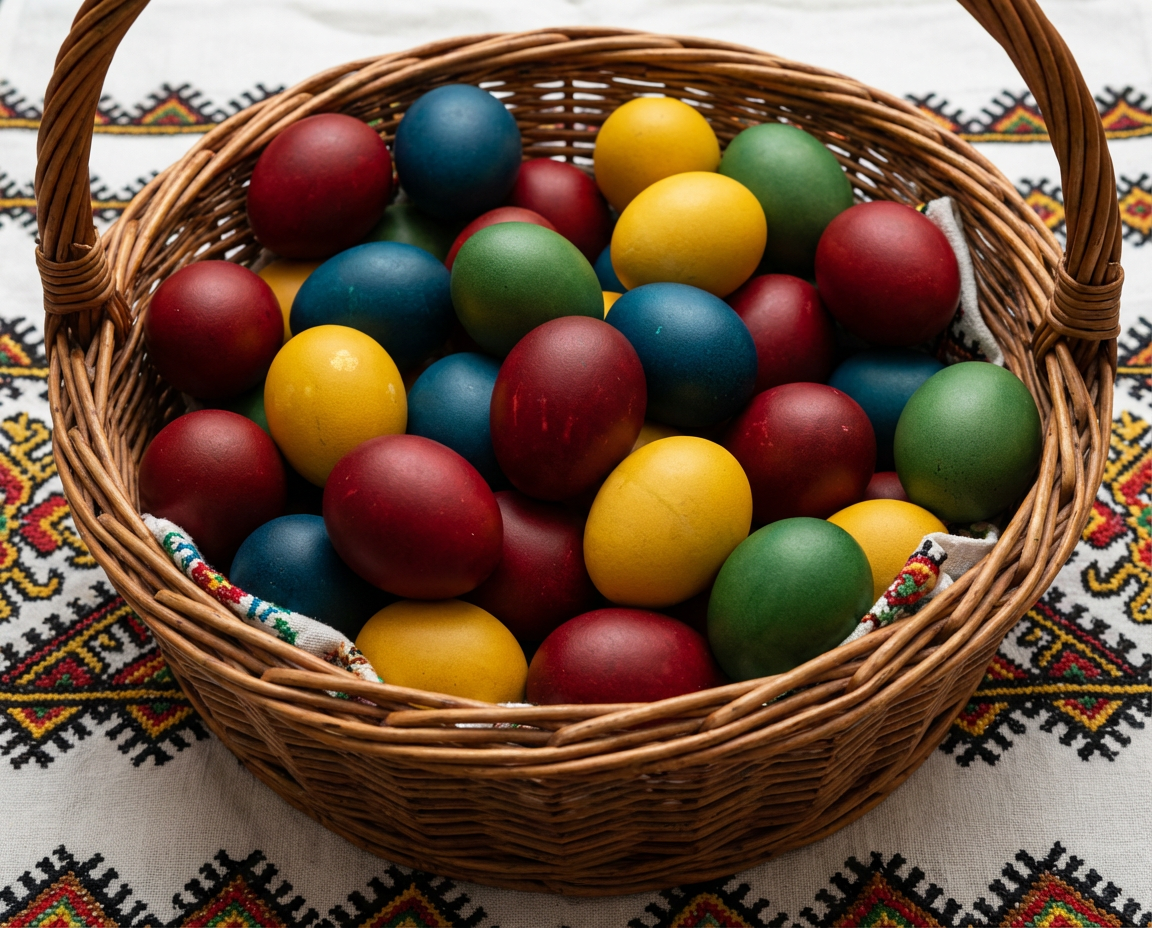
Next are eggs — krashanky or pysanky, most often red. According to tradition, the red color symbolizes the miracle of the Resurrection, so the egg represents new life.
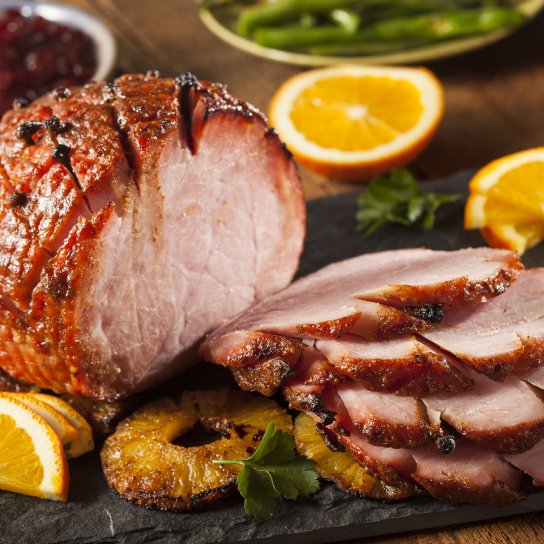
Then comes meat, most commonly pork — homemade sausage, ham, or roasted meat. After fasting, these foods symbolize fullness of life, abundance, and celebration. In some cases, beef or lamb may also be included, depending on region or modern preferences.
Cheese and butter add a sense of richness and care.
Salt, even in a small amount, symbolizes purity, protection, and the foundation of life.
A candle represents light, faith, and the moment of blessing that makes the basket special.
In recent years, people often ask whether wine belongs in the Easter basket. Wine has deep symbolic meaning in Christianity and fits naturally into the festive table. It is not about excess, but about enhancing taste and atmosphere when chosen thoughtfully.
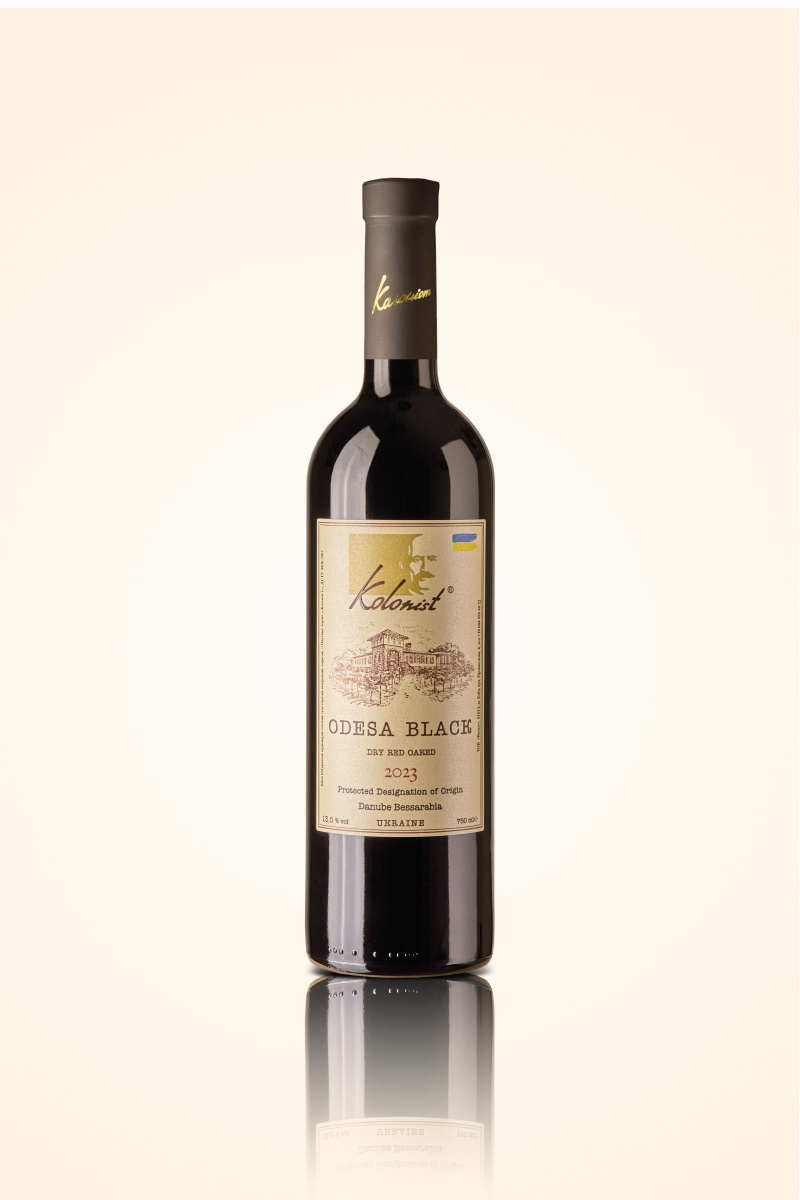
For meat dishes, a rich dry red wine works best, adding depth and balance. Ukrainian Odesa Black is especially symbolic — strong and expressive, reflecting the idea of Easter as a celebration of life.
Odesa Black “Kolonist” is made using traditional dry wine production methods and aged for six months in French oak barrels, giving it developed flavors with notes of mulberry, prune, light smokiness, and firm tannins.
It pairs well with complex meat dishes, smoked foods, and rich meals, maintaining balance thanks to its acidity and structure. It is best served at 16–18°C in tulip-shaped Bordeaux glasses.
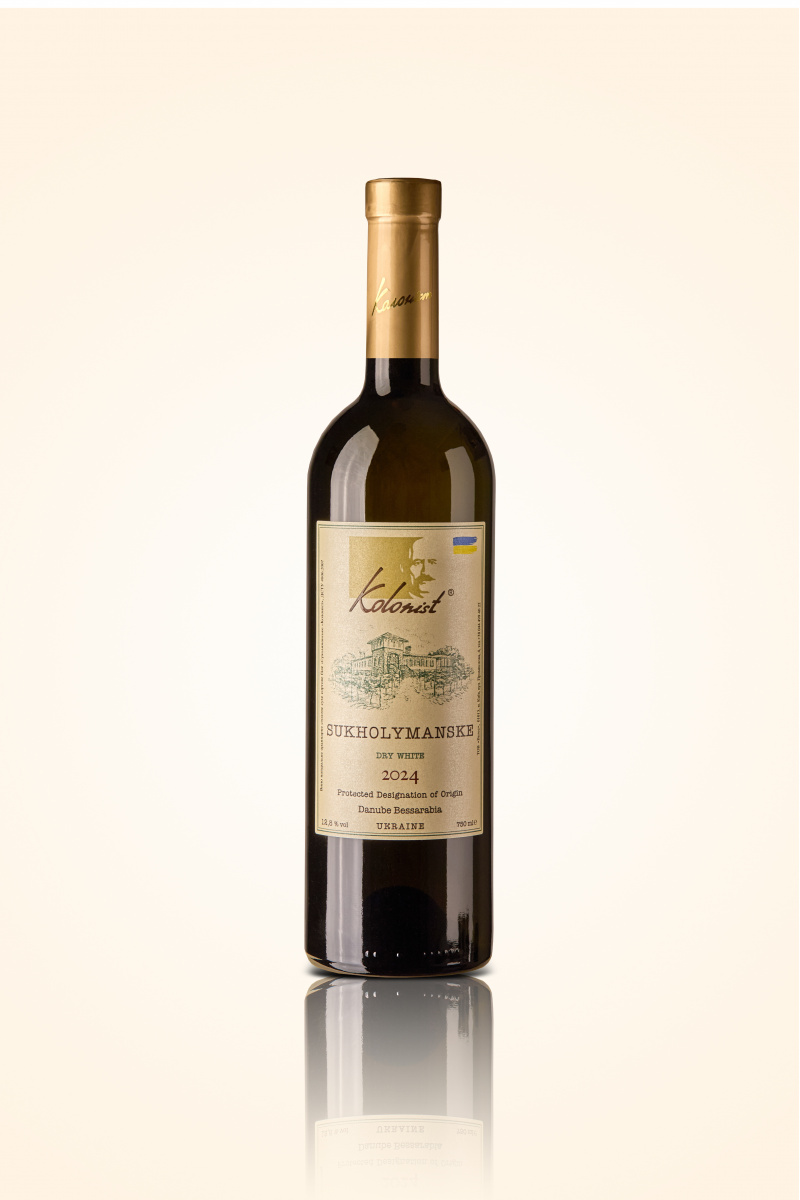 For paska, cheese, and lighter dishes, white or semi-dry wine is more suitable. It creates balance, does not overwhelm the taste, and is ideal for daytime celebrations. Light Sukholymanske or semi-dry Riesling complement rather than dominate.
These wines typically offer harmonious taste with notes of lime, lychee, quince, pear, and floral hints, with a fresh, balanced acidity.
They pair well with light cheeses, salads, seafood, and white fish, and are best served chilled at 10–12°C.
In simple terms: red wine for meat, white wine for paska — a natural balance people often follow intuitively.
What should NOT be placed in the Easter basket?
Strong alcohol does not match the spirit of the holiday, which is about light, not excess. Money or jewelry have no place either — the basket is not about material things. Complex ready-made dishes or random snacks also do not fit the tradition.
Today, Easter baskets can look different: classic, lighter and more aesthetic, or even gift-style with delicacies and wine. But the principle remains the same — the basket should have meaning.
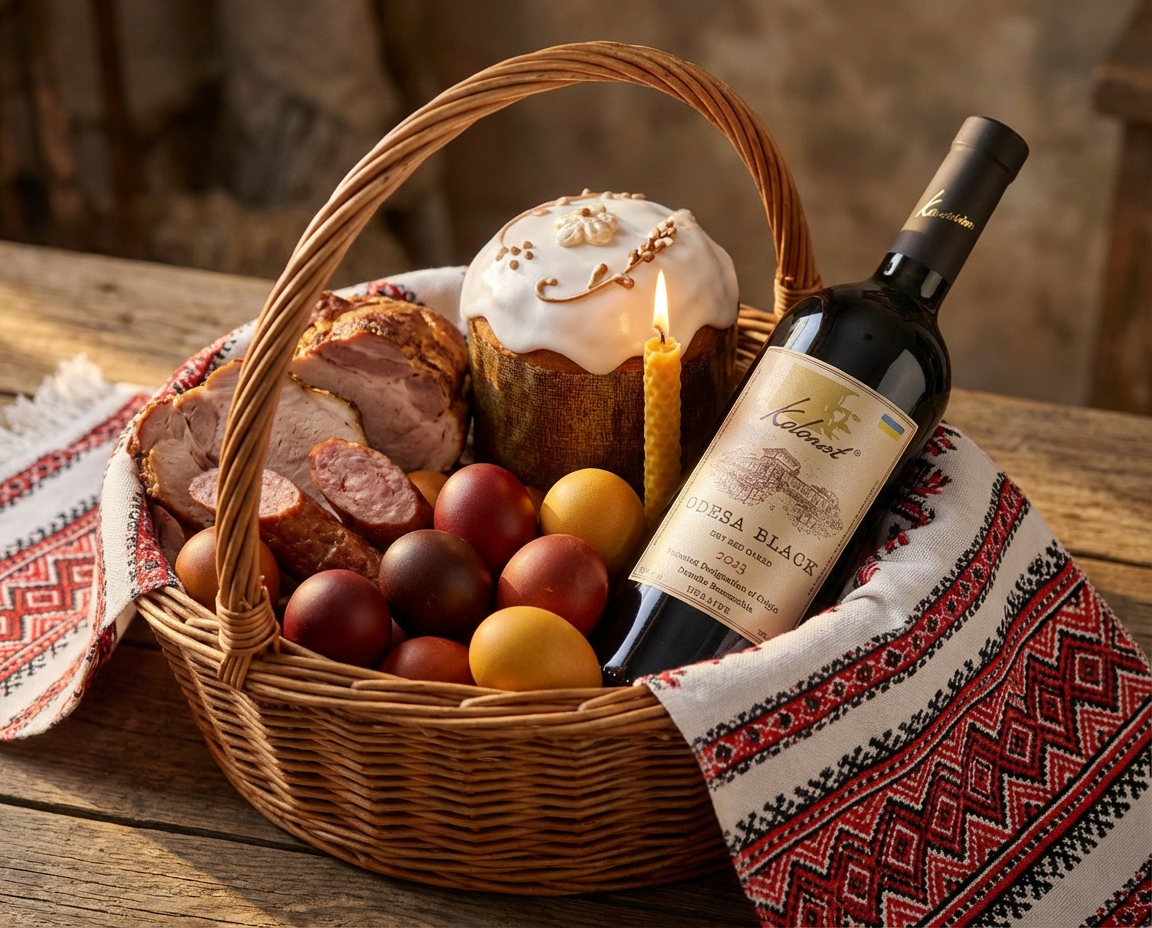
And most importantly, it is not about how many items you include, but what they mean to you. Easter is not about a perfect set — it is about feeling. And if alongside paska and eggs your basket includes good wine as part of the festive table, it becomes a natural continuation of tradition.
Subscribe to the latest
news and events